
Mobile
Zenith Runner
Endless runner with physics-based obstacles. Optimized for 60fps on iPhone 13 and newer. Uses Metal API for rendering.

Peperse.com explores the architecture of modern mobile gaming. From physics engines to memory optimization, dive into the technical foundations that drive player retention and performance.
Technical deep-dives into specific mobile game systems. Explore implementation details, architecture decisions, and performance analysis.
Implementing Box2D on iOS requires careful memory management. We allocate physics worlds in background threads to prevent frame drops during intense combat sequences. Our Unity integration uses a custom collision layer system that reduces CPU overhead by 40%.
Modern mobile devices range from 4-inch SE models to 7-inch tablets. Our UI framework uses constraint-based layouts with dynamic scaling. All interactive elements maintain a minimum touch target of 44x44 points, ensuring accessibility across the full device spectrum.
iOS terminates apps exceeding memory limits without warning. Our profiling toolkit identifies texture bloat and excessive draw calls. We implement texture atlasing and aggressive unloading of unused assets between game sessions, keeping peak memory usage under 150MB on older devices.
Browse our development portfolio by device category. Filter through mobile-specific implementations and tablet-optimized experiences.
Endless runner with physics-based obstacles. Optimized for 60fps on iPhone 13 and newer. Uses Metal API for rendering.
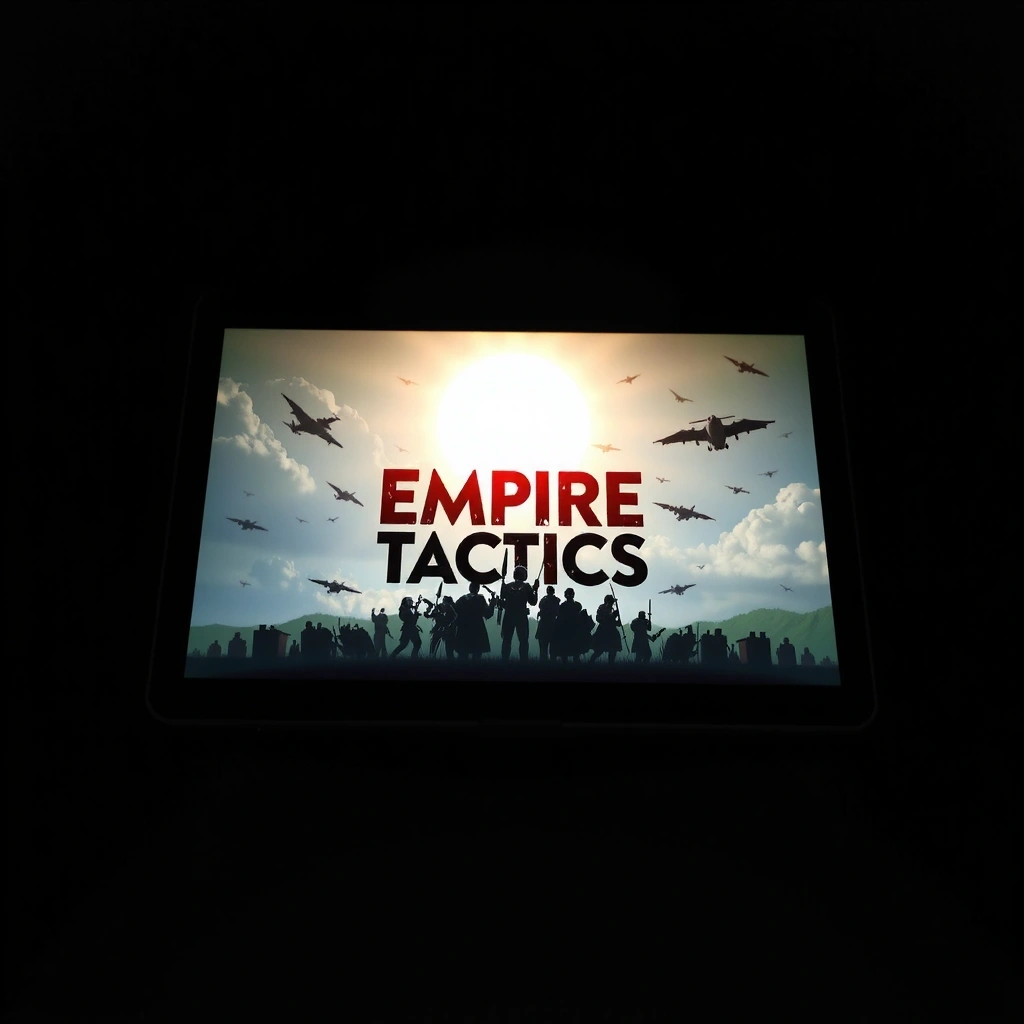
Turn-based strategy optimized for 10-inch displays. Multi-window support for Samsung devices. Cloud sync enabled.

Hyper-casual match-3 with dynamic difficulty scaling. In-app purchases integrated with Game Center achievements.

Interactive comic reader with parallax panel effects. Designed for iPad Pro 12.9" with Apple Pencil support.

Vertical arcade shooter with particle effects. Optimized for high refresh rate displays. Leaderboard integration via Play Games.

City simulation with complex pathfinding algorithms. Memory-efficient grid system allows massive maps on limited RAM.
These aren't abstract theories—this is the practical framework used to ship real titles that perform well across device generations and market conditions.
Myth: "Graphics sell mobile games."
Fact: Gameplay retention drives revenue. We've seen 8-bit puzzle games outperform 3D shooters because the core loop respects the player's time.
Myth: "Freemium means pay-to-win."
Fact: Ethical monetization creates long-term value.
Myth: "One size fits all."
Fact: Tablet UI cannot be a scaled-up phone interface. It requires rethinking navigation and touch targets for a different hand position.
Our development workflow follows a systematic approach to ensure mechanics are tested, optimized, and scalable before full production.
Identify the core experience and device limitations. Set FPS targets and memory budgets before writing a single line of code.
Prototype the mechanic in isolation. Profile performance, check input responsiveness, and validate against accessibility standards.
Integrate the mechanic into the main loop. Implement object pooling and optimize draw calls. Test across actual devices, not just emulators.
Analyze metrics: retention, battery usage, crash rates. Iterate based on data, not assumptions. Ship the update or rollback and rethink.

In the mobile market, a game that runs at 60fps on a 5-year-old phone earns more trust than one that stutters on the latest flagship. We believe optimization isn't an afterthought—it's thermal throttling, memory pressure, and real-world network conditions.
Player reviews frequently mention performance before story or graphics. A single stutter during a critical moment can break immersion and lead to uninstalls.
Our internal metrics show that games maintaining 99.9% frame stability see 3x higher day-7 retention compared to those with frequent drops.
View More Case StudiesHave questions about a specific mechanic? Interested in collaboration for your mobile project? Our development team is available during business hours for technical consultations.
Need immediate technical support? Check our Terms of Service for SLA details, or review our Privacy Policy for data handling practices.